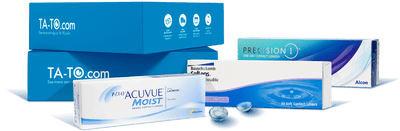

Swimming with contact lenses is not recommended because pool water, seawater, and even tap water can contain bacteria, microorganisms, and chemicals that may stick to your lenses. This increases the risk of eye irritation, redness, infections, and even corneal inflammation. If you must wear contact lenses while swimming, daily disposable lenses combined with tight-fitting swim goggles are considered the safest option.
Why Is Swimming with Contact Lenses Risky?
Many people assume swimming pools are completely clean because they contain chlorine. However, chlorine does not eliminate all bacteria and microorganisms.
When contact lenses come into contact with water, the lenses can absorb water along with harmful contaminants. These germs may become trapped between the lens and the cornea, increasing the risk of eye infections.
The longer you wear contact lenses after swimming, the greater the risk becomes because lenses tend to dry out and irritate the eyes more easily.
Common problems include:
• Red eyes
• Eye irritation
• Dry eyes
• Blurry vision
• Burning sensation
• Corneal inflammation
• Eye infections
One of the most dangerous microorganisms linked to contact lens use in water is Acanthamoeba, which can cause severe eye infections and potentially permanent vision loss if left untreated.
Can You Swim in a Pool with Contact Lenses?
Technically, yes — but eye doctors generally do not recommend it.
Even in chlorinated pools, bacteria and microorganisms may still be present. Chlorine can also dry out contact lenses, making them uncomfortable during and after swimming.
If you absolutely need to wear contact lenses while swimming, you should:
• Wear tight-fitting swim goggles
• Use daily disposable contact lenses
• Remove lenses immediately after swimming
• Avoid wearing lenses for extended hours afterward
• Use lubricating eye drops if your eyes feel dry
Can You Wear Contact Lenses in the Ocean?
Swimming in the ocean may be even riskier than swimming in pools because seawater contains salt, sand, bacteria, and natural microorganisms.
Seawater can also dehydrate lenses quickly, causing discomfort and blurry vision.
Common issues when wearing contact lenses at the beach include:
• Dry lenses
• Blurry vision
• Lenses falling out
• Eye irritation from saltwater
• Sand trapped under the lenses
Strong waves or diving underwater can easily dislodge soft contact lenses.
Why Are Waterborne Germs Dangerous for Contact Lens Wearers?
Contact lenses act almost like sponges. Once exposed to water, they can absorb contaminants and trap them directly against the eye surface.
This creates an ideal environment for bacteria and microorganisms to stay in prolonged contact with the cornea, increasing the risk of infection.
Contact lenses also reduce oxygen flow to the eyes slightly. Combined with moisture and bacteria from water exposure, this can lead to serious eye complications.
Even tap water is considered unsafe for contact lenses.
Which Contact Lenses Are Best for Swimming?
If avoiding lenses while swimming is impossible, daily disposable contact lenses are considered the safest option. Daily lenses reduce the risk of contamination because they are discarded immediately after use instead of being reused.
Contact Lens Comparison for Water Activities
Feature |
Daily Lenses |
Monthly Lenses |
|
Hygiene |
High |
Moderate |
|
Risk of Germ Build-Up |
Lower |
Higher |
|
Convenience After Swimming |
Throw away immediately |
Requires cleaning |
|
Recommended for Water Activities |
More suitable |
Less recommended |
|
Deposit Build-Up |
Lower |
Higher |
|
Reusing After Water Exposure |
Safer |
Riskier |
People who frequently swim or participate in water sports should choose lenses with high moisture retention and good oxygen permeability.
Learn more about daily disposable contact lenses
How to Swim More Safely with Contact Lenses
The safest approach is to avoid direct water exposure to your lenses.
Recommended safety tips include:
• Wear sealed swim goggles
• Choose daily disposable lenses instead of monthly lenses
• Remove lenses immediately after swimming
• Wash your hands before touching your eyes
• Use artificial tears if your eyes feel irritated
• Stop wearing lenses if redness or pain occurs
Many people underestimate the importance of replacing lenses after swimming, but this step significantly reduces infection risks.
What Should You Never Do While Swimming with Contact Lenses?
Some habits dramatically increase the risk of eye infections.
Swimming Without Goggles
Water directly touching the lenses increases contamination risk immediately.
Rinsing Contact Lenses with Tap Water
Tap water may contain microorganisms that are harmful to the eyes.
Reusing Daily Contact Lenses After Swimming
Daily disposable lenses should always be discarded after water exposure.
Wearing the Same Lenses All Day After Swimming
After water exposure, lenses lose cleanliness and moisture, increasing irritation risk.
What Symptoms Mean You Should See an Eye Doctor Immediately?
If you experience any of the following symptoms after swimming with contact lenses, seek medical attention right away:
• Severe eye pain
• Persistent redness
• Blurry vision
• Light sensitivity
• Excessive tearing
• Eye discharge
• Feeling like something is stuck in your eye
These may be early signs of corneal infection or inflammation.
What Are Safer Alternatives for People with Poor Vision?
People who swim regularly may benefit from safer alternatives.
Prescription Swim Goggles
Prescription swim goggles allow clear vision without exposing contact lenses to water.
Daily Contact Lenses with Swim Goggles
This is one of the most popular options because it combines convenience with better protection.
LASIK Surgery
For frequent swimmers or athletes, LASIK may provide a long-term solution.
How Should You Care for Contact Lenses After Swimming?
Proper lens care after swimming is essential to reduce infection risks.
Recommended Steps After Swimming
- Wash your hands thoroughly
- Remove contact lenses immediately
- Discard daily disposable lenses
- Clean reusable lenses only with contact lens solution
- Never rinse lenses with tap water
- Replace your lens case regularly
Many people forget that dirty lens cases can also become breeding grounds for bacteria.
Learn more about proper contact lens cleaning
What Type of Contact Lenses Are Best for Active Lifestyles?
People who exercise or play sports regularly should choose lenses that offer:
• High oxygen permeability
• Long-lasting comfort
• Good moisture retention
• Stable fit during movement
Comfortable lenses designed for active lifestyles can help reduce dryness and irritation throughout the day.
Shop daily disposable contact lenses
Comparing Contact Lenses vs Prescription Swim Goggles
Option |
Vision Clarity |
Safety |
Convenience |
|
Contact lenses only |
Clear |
Low |
High |
|
Contact lenses + goggles |
Very clear |
High |
High |
|
Prescription swim goggles |
Clear |
Very high |
Moderate |
For people who swim frequently, prescription swim goggles are often the safest long-term choice.
FAQ About Swimming with Contact Lenses
Is swimming once with contact lenses dangerous?
You may not experience problems immediately, but there is still a risk of infection and irritation, especially if water gets into your eyes.
Can you dive underwater with contact lenses?
It is not recommended because water pressure may dislodge the lenses and increase contamination risks.
Can I continue wearing my contact lenses after swimming?
It is best not to, especially with daily disposable lenses. Remove and replace them immediately after swimming.
Is ocean water worse than pool water for contact lenses?
Both carry risks, but seawater often contains salt, sand, and natural microorganisms that may cause additional irritation.
Are swim goggles enough protection?
Swim goggles significantly reduce risk, but water can still leak inside. You should still remove lenses after swimming.
Can colored contact lenses be worn while swimming?
Colored contact lenses carry the same risks as regular contact lenses and are not recommended for swimming.
Why are my eyes red after swimming with contact lenses?
Redness may be caused by chlorine, dryness, irritation, or bacterial exposure. Persistent redness should be evaluated by an eye doctor.
Although contact lenses help you see clearly while swimming, wearing them in water increases the risk of irritation and eye infections, especially if the lenses are directly exposed to water. If you must wear contact lenses while swimming, daily disposable lenses combined with swim goggles are the safest choice. Removing and discarding the lenses immediately afterward can help protect your long-term eye health.