
Many people wonder at what level of astigmatism they should start wearing glasses. In general, astigmatism of around -0.75 or higher begins to affect visual clarity, making it recommended to wear glasses to improve focus. However, the decision does not depend on numbers alone—it also depends on symptoms such as blurred vision, double images, eye strain, or headaches from excessive focusing.
In some cases, even mild astigmatism like -0.50 may require correction, especially for people who use their eyes intensively, such as working on a computer, reading for long periods, or driving at night. On the other hand, individuals with low astigmatism and no noticeable symptoms may not need glasses immediately, but regular eye exams are still recommended
What is Astigmatism and What Causes It?
Astigmatism is a condition where the cornea or lens has an irregular curvature. This causes light entering the eye to focus unevenly, resulting in blurred or distorted vision.
Common Causes of Astigmatism
- Uneven curvature of the cornea
- Genetics
- Frequent eye rubbing
- Eye injuries or surgery
Symptoms of Astigmatism
- Blurred vision at all distances
- Double or shadowed images, especially text
- Eye strain and frequent headaches
- Squinting to see clearly
What Level of Astigmatism Requires ?
In general, the decision to wear glasses depends not only on the prescription but also on symptoms.
Astigmatism Level Guidelines
|
Astigmatism Level |
Recommendation |
|
0.25 – 0.50 |
May not be necessary (if no symptoms) |
|
0.75 – 1.00 |
Glasses are recommended |
|
1.25 – 2.00 |
Should wear glasses or contact lenses |
|
More than -2.00 |
Correction is necessary |
Simple Summary
- Below -0.50: May not need correction
- From -0.75: Starts affecting vision
- Above -1.00: Should correct for clarity
Is Correction Necessary for Mild Astigmatism?
The answer depends on your symptoms.
When You May Not Need Glasses
- Vision is still clear
- No eye strain
- Daily activities are unaffected
When You Should Consider Glasses
- Long screen time
- Night driving
- Eye fatigue while reading
- Frequent headaches
Glasses vs Toric Contact Lenses: Which is Better?
|
Feature |
Glasses |
Toric Contact Lenses |
|
Visual clarity |
Good |
Very good (closer to eye) |
|
Convenience |
Easy |
Requires care |
|
Appearance |
Moderate |
Better |
|
Usage |
Suitable for all situations |
Better for active lifestyles |
|
Cost |
Lower |
Higher |
Glasses are best for everyday use, while contact lenses offer more flexibility and sharper vision for active lifestyles.
What Happens If You Don’t Correct Astigmatism?
Many people assume mild astigmatism is not a concern, but it can lead to long-term issues.
Possible Effects
- Chronic headaches
- Faster eye fatigue
- Reduced visual performance
-
Risk of worsening vision
This is especially important for people who use their eyes heavily, such as working on computers or studying.
How to Check If You Have Astigmatism
Most Accurate Method
- Eye exam with an optometrist
- Auto refractor testing
Self-Check Signs
- Seeing shadows around text
- Lights appear stretched at night
- Frequent squinting
What Type of Lenses Should You Choose?
Glasses for Astigmatism (Cylinder Lenses)
- Correct specific axis distortion
- Highly accurate
Toric Contact Lenses
- Designed with cylinder and axis values
- Must stay properly aligned on the eye
How to Choose Contact Lenses for Astigmatism
What to Consider
- Cylinder (CYL)
- Prescription (Power)
- Axis
- Base Curve (BC)
- Lens material
- Moisture retention
Click here to learn more about how to choose the right BC (Base Curve)
Recommended Contact Lenses for Astigmatism
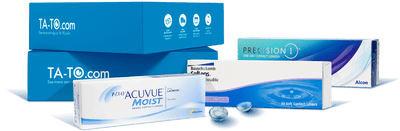
If you have astigmatism that requires correction and are looking for comfortable, clear vision, toric contact lenses are specifically designed to stay stable on the eye and reduce blur and shadowing.
Acuvue Oasys 1-Day for Astigmatism

- Hydraluxe technology for long-lasting moisture
- Ideal for dry eyes or long screen use
- Daily disposable, hygienic and convenient
Best for heavy screen users, long wear, and dry eyes.
Acuvue Moist for Astigmatism

- LACREON moisture technology
- Comfortable all-day wear
- Affordable and beginner-friendly
Best for first-time users and everyday comfort.
SofLens Daily Toric (Bausch & Lomb)

- Daily disposable, no cleaning required
- ComfortMoist technology for instant hydration
- Stable vision with reduced lens rotation
Best for convenience and occasional wear.
View all toric contact lenses here!
FAQ: Frequently Asked Questions About Astigmatism
Q1: Do I need glasses for -0.50 astigmatism?
A: Not necessarily, if you have no symptoms. However, if you experience blur or eye strain, correction is recommended.
Q2: Can astigmatism go away on its own?
A: No, but it can be corrected with glasses or contact lenses.
Q3: Can I wear contact lenses instead of glasses?
A: Yes, but you should use toric lenses designed for astigmatism.
Q4: Can high astigmatism be corrected with contact lenses?
A: Yes, but you may need to try different lenses to find the best fit.
Q5: Is dizziness normal when wearing new glasses?
A: It can happen initially. Most people adapt within 3–7 days.