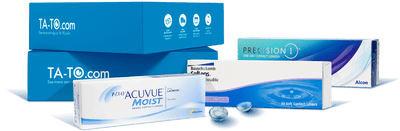

Contact lenses have evolved significantly, especially in terms of lens materials, which directly impact comfort and eye health. The two main materials used today are Hydrogel and Silicone Hydrogel, each with distinct properties. Hydrogel lenses focus on softness and moisture, using water to deliver oxygen to the eyes, making them comfortable for general or short-term use. In contrast, Silicone Hydrogel lenses are designed to allow much higher oxygen permeability, helping the eyes “breathe” better, reducing eye strain, and making them more suitable for extended wear. Choosing between the two depends largely on your lifestyle and how long you wear your lenses each day.
What is Hydrogel?
Hydrogel is a traditional contact lens material that has been widely used for many years. It is made of a polymer that can retain a high water content (typically around 30–70%). This water acts as a medium to transport oxygen from the air to the cornea, allowing the eyes to receive oxygen even while wearing lenses.
The key advantage of Hydrogel lenses is their softness and moisture. They are highly flexible, easy to wear, and provide immediate comfort upon insertion. This makes them ideal for beginners or for short-term use. However, because oxygen transmission depends on water content, performance may decrease during long wear as the lens dries out, potentially leading to discomfort or irritation.
Key Advantages of Hydrogel
- High water content helps maintain moisture
- Soft and flexible, easy to wear
- Comfortable immediately after insertion
- Suitable for beginners and general use
- More affordable
Limitations of Hydrogel
- Lower oxygen permeability (Dk/t) compared to Silicone Hydrogel
- Performance decreases with extended wear due to water evaporation
- May cause dryness for heavy screen users
- Not ideal for long continuous wear
What is Silicone Hydrogel?
Silicone Hydrogel is a newer-generation contact lens material developed to overcome the limitations of Hydrogel. By incorporating silicone into the lens structure, it allows oxygen to pass directly through the material rather than relying solely on water. This results in significantly higher oxygen permeability (Dk/t).
This feature makes Silicone Hydrogel lenses ideal for long wear, such as working on screens all day or prolonged daily use. It also helps reduce the risk of corneal hypoxia (lack of oxygen), which can occur when wearing lenses for extended periods.
Although Silicone Hydrogel lenses may have lower water content than Hydrogel lenses, modern technologies such as surface treatments and moisture retention systems help maintain comfort throughout the day.
Key Advantages of Silicone Hydrogel
- Very high oxygen permeability (Dk/t)
- Reduces eye dryness and fatigue
- Suitable for long wear
- Helps reduce protein and deposit buildup (in some models)
- Ideal for heavy screen users and active lifestyles
Limitations of Silicone Hydrogel
- Higher cost
- Slightly firmer feel in some lenses
- May require a short adaptation period for new users
Hydrogel vs Silicone Hydrogel: Key Differences
Feature |
Hydrogel |
Silicone Hydrogel |
|
Oxygen |
Moderate |
Very high |
|
Moisture |
High |
Moderate |
|
Comfort (Short wear) |
Very good |
Good |
|
Comfort (Long wear) |
Moderate |
Excellent |
|
Price |
Lower |
Higher |
|
Suitable for |
Short wear |
Long wear |
Which One Should You Choose?
Choosing the right contact lens depends on your usage habits and lifestyle.
Choose Hydrogel if you:
- Wear lenses for less than 6–8 hours
- Prefer a soft and comfortable feel
- Are a beginner
- Want a more budget-friendly option
Choose Silicone Hydrogel if you:
- Wear lenses all day
- Spend long hours on screens
- Experience dry eyes
- Want better long-term eye health
Which Type is More Comfortable?
For short-term wear, Hydrogel lenses tend to feel softer and more comfortable. However, for all-day wear, Silicone Hydrogel lenses provide better comfort due to superior oxygen flow, which helps reduce eye fatigue and dryness.
What Happens If You Choose the Wrong Material?
Using lenses that do not match your lifestyle may lead to issues such as:
- Dry eyes during the day
- Irritation
- Blurred vision
- Overall discomfort
This is especially common when wearing Hydrogel lenses for extended periods.
How to Choose the Right Contact Lens
Key Factors to Consider
- Lens material (Hydrogel or Silicone Hydrogel)
- Wearing duration
- Base Curve (BC)
- Oxygen permeability (Dk/t)
- Moisture level
Recommended Hydrogel and Silicone Hydrogel Contact Lenses
Different contact lens models use different materials, each suited to specific needs.
Hydrogel Lenses (Focus on softness and moisture)
SofLens Daily

A soft daily disposable lens, easy to wear and ideal for beginners or those seeking convenience.
Dailies AquaComfort Plus

Features moisture release technology activated with each blink, helping reduce dryness throughout the day.
Acuvue Moist

Uses moisture-lock technology to maintain hydration, providing all-day comfort for everyday use.
Silicone Hydrogel Lenses (Focus on oxygen and long wear comfort)
Acuvue Oasys 1-Day

Designed to reduce eye fatigue, ideal for heavy screen users and long wear.
Air Optix

A monthly lens with high oxygen permeability, designed to reduce deposits and maintain comfort over time.
Ultra One Day

Balances moisture and oxygen transmission, offering all-day comfort and breathability.
FAQ: Frequently Asked Questions
Q1: Which is better, Hydrogel or Silicone Hydrogel?
A: It depends on your usage. Silicone Hydrogel is generally better for long wear.
Q2: Which type is better for dry eyes?
A: Silicone Hydrogel is recommended because it allows more oxygen to reach the eyes.
Q3: Which type is best for beginners?
A: Hydrogel lenses are usually more suitable because they are softer and easier to adapt to.
Q4: Which type is better for all-day wear?
A: Silicone Hydrogel provides better comfort for extended wear.
Q5: Do I need an eye exam before choosing lenses?
A: Yes, an eye exam is recommended to ensure the best fit and comfort.
Hydrogel lenses are ideal for comfort and short-term use, while Silicone Hydrogel lenses are better suited for long wear and maintaining eye health. Choosing the right lens based on your lifestyle will help ensure maximum comfort and safety for your eyes.